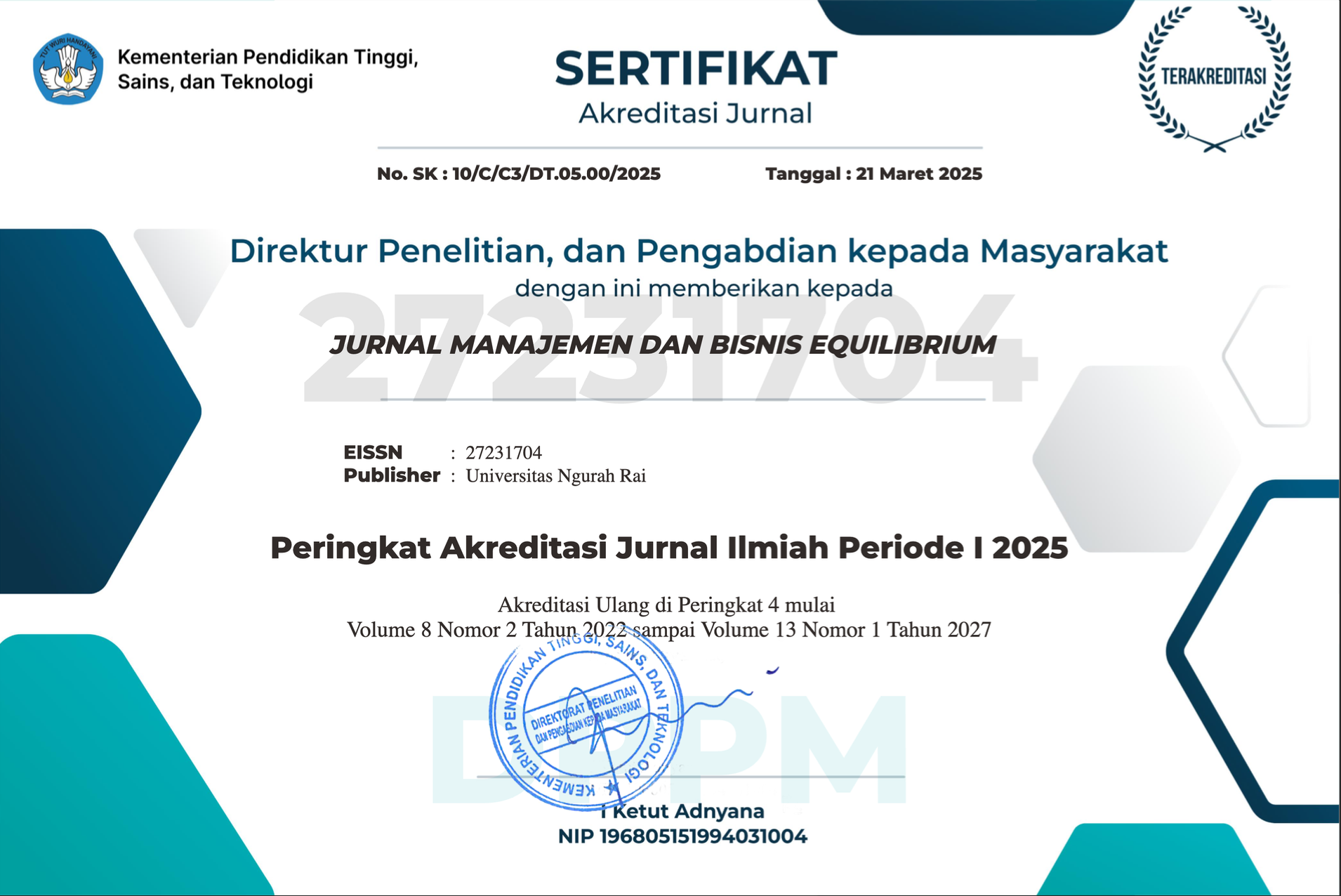
JOURNAL RANK


A correction may be issued when an error is identified that affects the accuracy, clarity, or interpretation of an article but does not invalidate its main findings or conclusions. Corrections may address errors made by authors or during the editorial and production process.
The correction notice will identify the article and describe the changes made. It will be published and linked to the affected article. The online article may also be updated, with a clear indication that a correction has been issued.
A retraction may be issued when the findings or conclusions of an article are substantially unreliable, or when serious ethical or publication concerns undermine the integrity of the work. Grounds for retraction may include, but are not limited to:
A retraction is intended to correct the scholarly record and alert readers to material that should not be relied upon. The retracted article will remain accessible where legally and technically possible, clearly marked as retracted. The retraction notice will identify the article, state the reason for retraction, and be linked to the article.
Authors, readers, reviewers, institutions, or other parties may report a suspected error or concern to the Editorial Team through the journal’s official contact page. Reports should identify the article and provide relevant supporting information.
The Editorial Team will assess the information fairly and confidentially. The journal may contact the authors, request relevant documents, consult independent experts, or contact the authors’ institution or other relevant bodies when necessary. Authors will normally be given an opportunity to respond to concerns before a final decision is made.
If an investigation is ongoing and the available evidence is inconclusive, the journal may publish an Expression of Concern to inform readers. The Editorial Team will determine whether a correction, retraction, or other action is warranted after reviewing the available evidence. Editorial decisions will follow the journal’s publication ethics and relevant COPE guidance.
JOURNAL RANK
POLICY
TEMPLATE JOURNAL MBE
TOOLS



JOURNAL VISITOR



This work is licensed under a Creative Commons Attribution-ShareAlike 4.3 International License.